

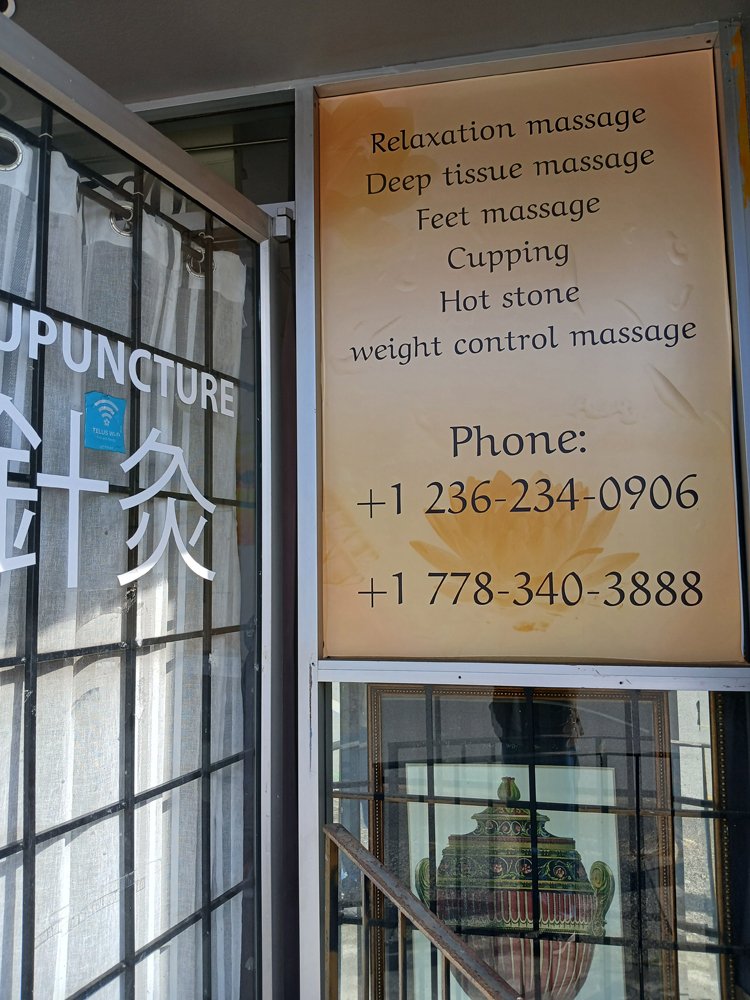
Meridian Fix Massage: Systemic Conditioning & Treatment Protocols
1. Head Protocol (For Pressure, Bloating, and Qi Deficient States)
Target Symptoms: High cranial pressure, head distension, pale complexion, shortness of breath/low energy, and scalp tightness.
Direction & Techniques:
High Pressure / Gas Bloating Type: Scrape downward from the top of the head toward the neck to facilitate qi flow, reduce pressure, and expel gas.
Qi Deficient / Pale Type: Scrape upward from the neck toward the eyes to lift qi, clear the mind, and boost vital energy.
Key Notes: Cover the 5 primary head lines (~30 strokes each). If extreme tightness persists, use quick acupuncture needle tapping to assist in deep relaxation and release trapped qi.
2. Neck Protocol (For Stiffness & Soreness)
Target Symptoms: Neck stiffness, limited range of motion, and tight cervical muscles.
Technique:
Sides: Scrape downward starting from near the Fengchi (GB20) area along both sides of the neck.
Center: Lightly scrape the midline over the spine to prevent over-irritation.
Key Notes: Perform ~30 strokes per section. Continuously adjust force based on real-time client feedback; avoid excessive pressure.
3. Shoulder Protocol (For Pain & Tight Joint Gaps)
Target Symptoms: Heavy shoulders, persistent muscle knots, and restricted shoulder joint mobility.
Steps:
1. Palpation Assessment: Press around the shoulders to locate exact zones of soreness and tension.
2. Gap Pressing & Scraping: Apply targeted pressing and deep scraping specifically within the gaps between shoulder bones.
Key Notes: Perform ~30 presses/strokes per zone.
4. Back & Lumbar Protocol (For Strain & Stiffness)
Target Symptoms: Back soreness, rigid lower back, and general discomfort from prolonged sitting.
Tools & Techniques: Use sandalwood tools for targeted meridian clearing.
Back: Press downward along both sides of the spine (Bladder Meridian / Huatuo Jiaji area).
Lumbar: Use horizontal cross-pressing techniques to break down tight lower back muscle fibers.
Key Notes: Perform ~30 presses per area.
5. Knee & Lower Extremity Protocol (For Joint Stiffness & Mobility Issues)
Target Symptoms: Knee rigidity, difficulty squatting, painful stair negotiation, or heavy gait.
Key Zones:
1. Sides of the Knee: Focus on massaging and pressing tight zones on both sides of the knee up and down to soften surrounding tissues.
2. Key Acupoint: Apply targeted pressure to Zusanli (ST36).
Key Notes: Perform ~30 presses/massages per zone. Eases joint tension to restore smooth, fluid walking movement.
6. Back of Hand & Ankle Protocol (For Peripheral Circulation & Nodal Blocks)
Target Symptoms: Cold hands/feet, back-of-hand tension, and stiff or uncomfortable ankles.
Technique:
Press deeply into the anatomical gaps between bones on the back of the hand and around the ankles.
Pull outward along the joint gaps toward the extremities to clear stagnant qi.
Key Notes: Perform ~30 strokes/presses per area.
7. Emergency Intervention Protocol (For Acute Discomfort)
Applicable Scenarios: Sudden tightness, chest oppression, dizziness, or acute distress.
4 Emergency Pressure Points:
1. Top center of head (Baihui / GV20 area)
2. Center of chest (Danzhong / CV17 area)
3. Center of palm (Laogong / PC8 area)
4. Center of sole (Yongquan / KI1 area)
Key Notes: Rapidly scrape each area ~20 times. Immediately follow up by applying a warm, moist towel across the upper chest to warm the meridians and relieve tightness.
Core Principles & Precautions
1. Gradual Pressure: Always follow the principle of starting light and progressively applying deeper pressure (“from light to heavy, from superficial to deep”) so muscles and meridians can adapt smoothly.
2. Bony Prominences Safety: Avoid direct impact or heavy pressure on hard bony structures. Concentrate all work on soft tissues, tendons, ligaments, and interosseous gaps.
3. Dynamic Adjustment: Monitor client feedback constantly throughout the session, adjusting pressure and techniques to ensure maximum safety and treatment efficacy.
Categories
Service Categories
Features
Regions
Pricing
Location
Calendar view
Similar Listings

Only guests who have booked can leave a review.

Select Date & Time
Choose your preferred date and time for the booking.
Your Information
Please provide your contact details to complete the booking.
